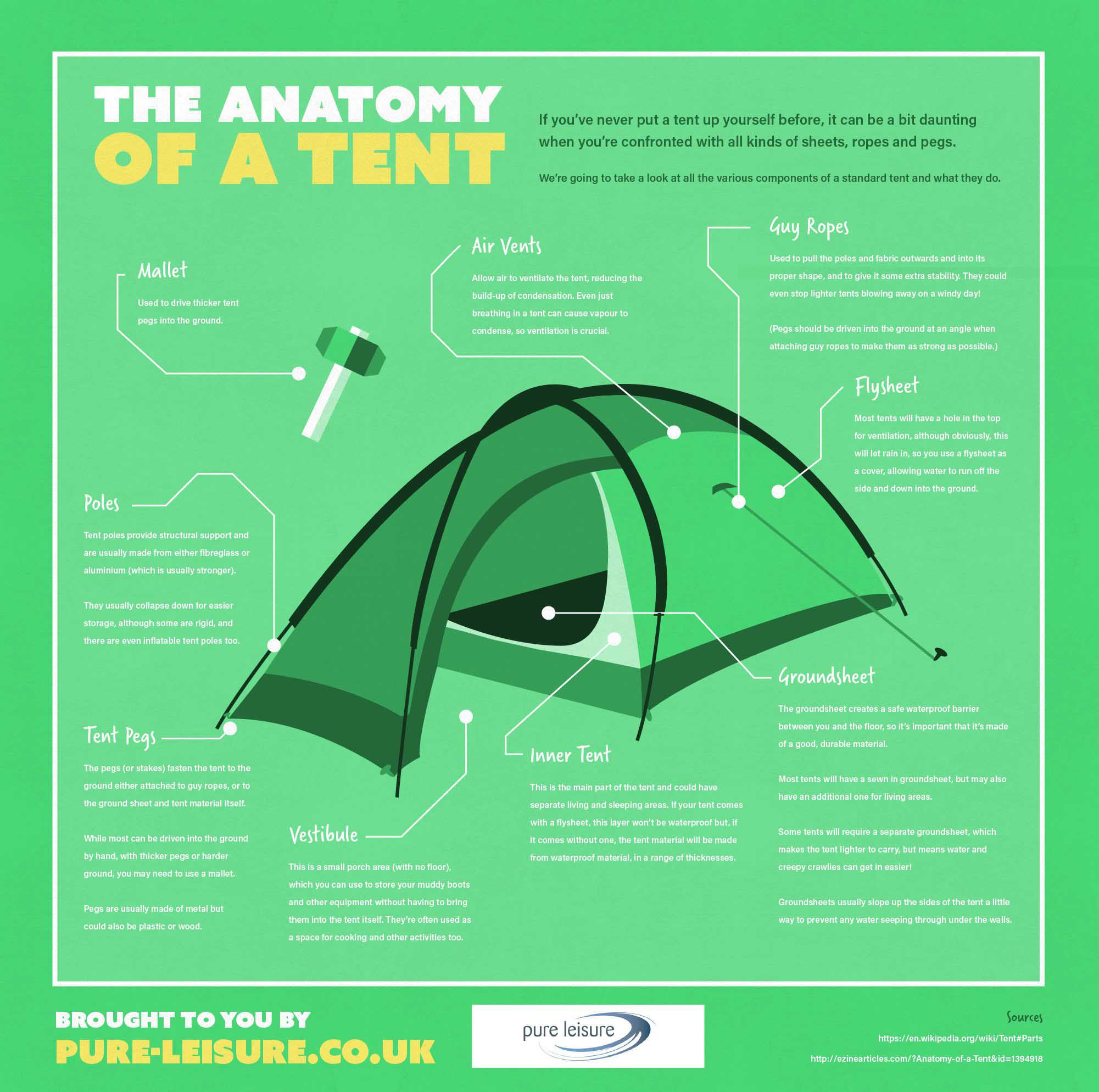
Why Drying Your Camping Tent the Right Way Issues
Modern camping tents are developed with coated textiles-- commonly nylon or polyester with a polyurethane (PU) or silicone (silnylon) coating on the inside. These coverings are what make your outdoor tents waterproof. When fabric stays damp for too long, mold and mildew and mold hold, breaking down those finishings from the inside out. In time, the fabric delaminates, the seams compromise, and that once-reliable shelter starts allowing water in at the most awful feasible moments.
Beyond mold and mildew, incorrect drying-- like stuffing a wet tent right into its sack continuously-- results in stress and anxiety on the textile's DWR (Sturdy Water Repellent) coating, which is the external layer that creates water to bead off. Damage here means water begins saturating into the outer shell rather than rolling off, adding weight and decreasing efficiency in the field.
Step-by-Step Overview to Drying Waterproof Camping Tent Fabrics
Action 1: Get Rid Of Excess Water First
Prior to anything else, offer the tent an excellent shake to remove as much surface water as possible. Wipe down posts and zippers with a completely dry towel. The less standing water on the fabric, the faster and much safer the drying out procedure will be.
Step 2: Set It Up in a Shaded, Ventilated Space
Always completely dry your outdoor tents totally pitched or at least draped loosely over a line or surface-- never packed. The solitary most important guideline is to keep it out of direct sunshine. UV rays are amongst one of the most damaging forces for water resistant finishes and artificial materials. Also an hour of intense direct sun direct exposure over many journeys progressively weakens the PU finish and deteriorates the textile strings themselves.
Discover a shaded area with great airflow-- a covered patio, a garage with open doors, or a spot under a huge tree all function well. If you are inside your home, a follower directed at the outdoor tents speeds up the procedure considerably.
Action 3: Transform It Inside Out When Possible
The inner layer on the camping tent body-- the one that actually does the waterproofing job-- needs air blood circulation as well. If you can safely turn the rainfly completely without stressing the joints, do it. This guarantees the coated side dries extensively, which is where moisture-related break down most frequently begins.
Step 4: Do Not Use Heat Sources
This is among the most typical errors individuals make. Placing a camping tent in a garments dryer, leaving it near a radiator, or drying it under a warmth lamp might appear reliable, yet high warmth is deeply destructive to water resistant materials. It triggers the PU layer to bubble, split, and peel. It melts silicone finishings. It deteriorates joint tape. Also a cozy clothes dryer setting can trigger irreversible damage in a solitary cycle.
Room temperature air drying out is always the appropriate selection. If you remain in a moist setting, run a dehumidifier in the area to assist draw wetness from the material.
Step 5: Pay Attention to Seams and Corners
Joints and corners preserve moisture longer than the major material panels. After the tent shows up dry to the touch, really feel along every joint line and check the corners of the rainfly and impact. These areas are frequently still damp and are specifically where mold and mildew begins. Give them added time prior to packing.
Step 6: Shop It Loosely, Not Pressed
As soon as your camping tent is completely dry-- not simply primarily completely dry-- store it loosely rather than compressed firmly in its stuff sack. Many manufacturers suggest keeping a camping tent in a big mesh or cotton bag as opposed to the initial compression sack for long-term storage space. Constant compression emphasizes the finishings along fold lines, creating them to fracture gradually.
A Few Extra Tips to Prolong Camping Tent Life
If you observe water is no longer beading on the external rainfly, it may be time to reapply a DWR treatment. Products like Nikwax Camping Tent and Equipment Solar Wash followed by TX.Direct Spray-On are extensively utilized and risk-free for waterproof textiles.
Additionally, make a routine of wiping camping cots down any type of dust or tree sap before drying out. Pollutants left on the material bring in moisture and degrade coverings faster.
The Bottom Line
Your tent is a technical garment, not a tarpaulin. It is entitled to the same treatment you would certainly offer a quality rain coat. Taking twenty mins to dry it correctly after each journey includes years to its lifespan and suggests it will do reliably when you need it most. Shade, airflow, and persistence are your three finest devices-- and they cost nothing.